


Guide to Avoiding Pitfalls in B2B Procurement of Sanitary Valves
Commercial procurement of sanitary valves entails far more than simple product selection. Adopting a systematic procurement strategy effectively mitigates prevalent sourcing risks and ensures stable, dependable product performance and delivery outcomes.
First and foremost, precise specification alignment is essential. Buyers should explicitly define industryspecific technical parameters, including wetted material grades (304/316L stainless steel), nominal pressure rating, operating & sterilization temperature range, media compatibility, and hygienic sealing material standards (EPDM, PTFE, VMQ). Critical sanitary attributes such as full-bore flow path, zero-dead space design, surface roughness (Ra ≤ 0.8μm for mechanical polishing / Ra ≤ 0.38μm for electropolishing), and CIP/SIP resistance must be clearly specified. Formalizing these technical parameters prior to supplier engagement eliminates ambiguous expectations and reduces order discrepancies.
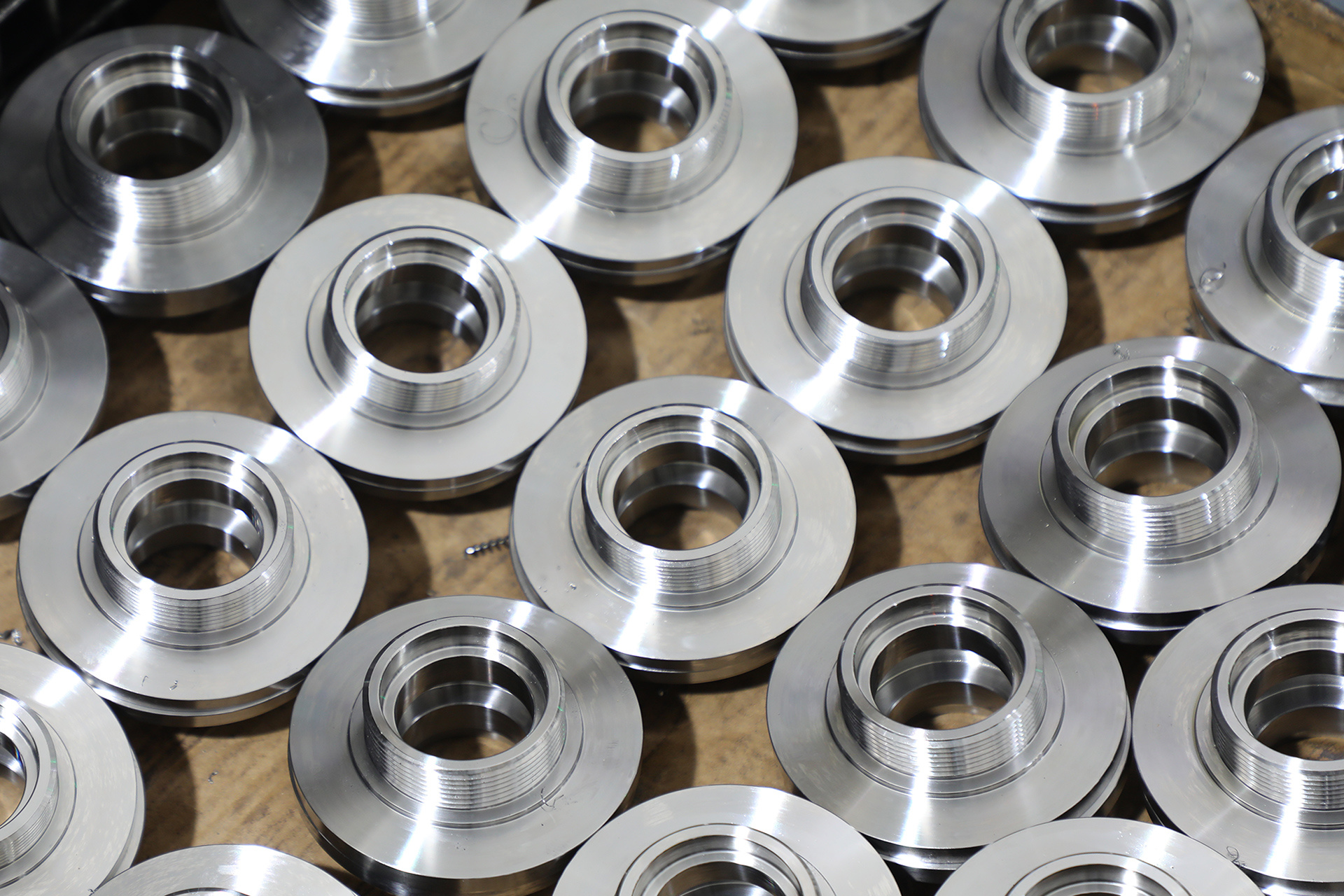
Thorough supplier evaluation is another core pillar of successful procurement. It is critical to audit a manufacturer’s production capacity, in house quality control protocols, and batch consistency to verify their ability to sustain recurring bulk orders. Practical evaluation measures include requesting pre-production samples and reviewing official quality certification documents for due diligence.
Consistent product quality demands rigorous focus. Deviations in wetted surface roughness, machining precision, flange/ferrule dimensional tolerance, and polishing uniformity may lead to material residue accumulation, bacterial growth, and leakage risks, severely compromising sanitary safety and fluid system stability. Setting standardized acceptance criteria for hygienic finishing, pressure tightness, sterilization endurance, and systematic batch sampling protocols is key to maintaining uniform sanitary performance and operational reliability across all order batches.
Packaging and logistics are also decisive factors in procurement success. Robust protective packaging prevents surface scratches, contamination and structural damage during transit, while a clear understanding of production lead times and shipping terms enables accurate inventory and project planning. Aligning delivery requirements with suppliers in advance helps avoid operational delays and disruptions.
Regulatory compliance serves as the fundamental baseline for procurement. All sanitary valves must comply with mainstream global hygienic standards and certifications, including FDA CFR 21, USP Class VI, 3-A SSI, EHEDG, and ASME BPE. Valid material test reports (EN 10204 3.1/3.2), sanitary certification documents, and CIP/SIP compatibility verification are mandatory to meet food, beverage, pharmaceutical, and biotech industry requirements, ensuring full legal conformity and bolstering end-system operational safety and user trust.
A disciplined, methodical procurement process — centered on standardized specifications, rigorous supplier vetting, strict quality verification, and comprehensive logistical planning — streamlines commercial sourcing operations and delivers consistent, high-performance sanitary valve solutions for diverse industrial and commercial applications.


