


Valve Procurement & Supply Chain Management Guide: Selection, Supplier Evaluation, and Inventory Optimisation
In the first 20 articles of the Industrial Valve Selection & Application Series, we systematically covered the working principles, selection parameters, material choices, standards systems, and industry applications of various valve types. However, correct technical selection is only half the battle—procurement strategy and supply chain management are equally critical to project cost, delivery, and quality.
This guide provides procurement engineers and supply chain managers with a systematic framework for valve procurement and management, covering supplier evaluation, technical specification preparation, quality inspection, inventory optimisation, and total cost of ownership analysis.
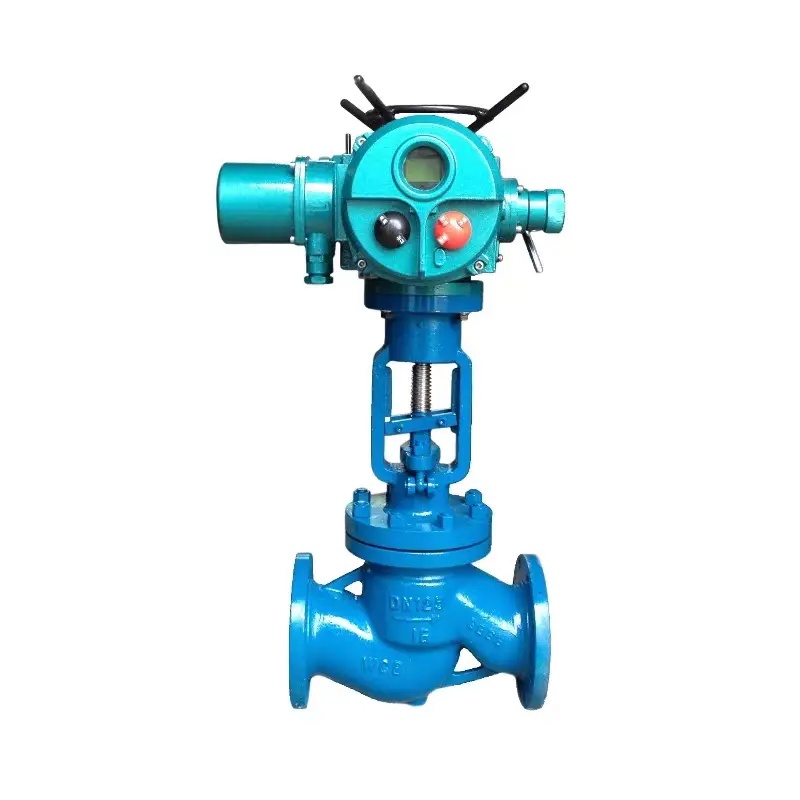
1. Key Stages of Valve Procurement
1.1 Procurement Process Overview
| Stage | Main Activities | Participating Departments | Key Outputs |
|---|---|---|---|
| Requirements confirmation | Process parameter confirmation, preliminary valve type selection | Process/Engineering | Valve requirements list |
| Technical specification preparation | Data sheets, specifications, procurement standards | Engineering/Quality | Technical specification (procurement standard) |
| Supplier screening | Qualification review, performance evaluation, plant audit | Procurement/Quality | Approved supplier list |
| RFQ/Bid | Technical clarification, commercial quotation | Procurement/Engineering | Technical/commercial bids |
| Technical/commercial review | Technical compliance assessment, price comparison | Cross-functional team | Award recommendation |
| Order/Manufacturing | PO issuance, manufacturing progress tracking | Procurement | Order confirmation, manufacturing plan |
| Inspection | Factory acceptance testing, third-party inspection | Quality | Inspection reports |
| Delivery/Acceptance | Logistics, site acceptance | Procurement/Engineering | Receiving inspection report |
| Inventory/Use | Warehousing, installation, maintenance | Warehouse/O&M | Inventory records, maintenance records |
1.2 Common Procurement Issues
| Issue | Consequence | Preventive Measures |
|---|---|---|
| Incomplete technical specifications | Suppliers quote incorrectly, delivered valves cannot be used | Prepare comprehensive technical specifications |
| Awarding solely on price | Low-quality valves cause frequent repairs and downtime | Use total cost of ownership (TCO) evaluation |
| Supplier qualification not verified | Delivery delays, quality non-conformance | Implement supplier qualification audit |
| Inspection requirements not specified | Quality issues discovered only at site | Clearly specify inspection standards in PO |
2. Technical Specification (Procurement Standard) Preparation
A complete technical specification is the core document for valve procurement. It should include the following:
2.1 Core Elements of Technical Specifications
| Element | Content |
|---|---|
| Process parameters | Media name and composition, operating temperature, operating pressure, flow range, pressure drop limits |
| Valve design parameters | Valve type, nominal diameter (DN/NPS), pressure rating (Class/PN), end connections (flanged/threaded/welded/tri‑clamp), actuation (manual/pneumatic/electric/hydraulic) |
| Material requirements | Body material, trim material, sealing material, special requirements (NACE, FDA, USP) |
| Design standards | ASME, API, ISO, GB, 3-A, EHEDG applicable standards |
| Inspection and testing | Shell testing, seat testing, NDT requirements |
| Certification requirements | Fire-safe certification, hygienic certification, explosion-proof certification, pressure vessel certification, etc. |
| Documentation requirements | MTR, test reports, operation manuals, maintenance manuals, drawings |
2.2 Key Points for Technical Specification Preparation
Avoid "one-size-fits-all": Different conditions require different specifications—do not use a generic specification for all valves
Highlight critical parameters: Place key parameters (temperature, pressure, media) at the front of the specification
Cite standards with version numbers: e.g., ASME B16.34-2021, not just ASME B16.34
Include non-standard requirements: Any special requirements must be clearly stated (e.g., extended bonnet, low-emission packing)
3. Supplier Evaluation and Selection
3.1 Supplier Evaluation Matrix
| Evaluation Dimension | Weight (%) | Assessment Points |
|---|---|---|
| Technical capability | 25% | Design capability, manufacturing capability, technical team, proprietary technology |
| Quality system | 25% | ISO 9001 certification, quality inspection capability, testing equipment, traceability |
| Track record and experience | 20% | Supply history for similar conditions, customer feedback, industry position |
| Delivery and capacity | 15% | Manufacturing lead time, capacity load, raw material inventory |
| Commercial terms | 10% | Pricing level, payment terms, after-sales service, spare parts supply |
| Certifications | 5% | Industry-specific certifications (API, ASME, CE, FDA, 3-A, etc.) |
3.2 Supplier Audit Key Points
| Audit Area | Key Checkpoints |
|---|---|
| Manufacturing capability | Processing equipment, welding capability, assembly capability, testing equipment |
| Quality control | Incoming inspection, process control, final inspection, non-conformance management |
| Documentation management | MTR management, test reports, calibration certificates, traceability system |
| Technical capability | Design team, technical documentation, continuous improvement capability |
| Delivery capability | Production planning, raw material management, logistics capability |
3.3 Supplier Tiering Concept
Classify suppliers based on evaluation results:
Tier A (Strategic suppliers): Long-term partnership, priority RFQ, simplified procurement process
Tier B (Approved suppliers): Standard procurement, executed per normal process
Tier C (Trial suppliers): Limited trial scope, strict monitoring
4. Quality Inspection and Acceptance
4.1 Inspection Levels
| Inspection Level | Performed By | Applicable Scenarios |
|---|---|---|
| Manufacturer self-inspection | Manufacturer's QC department | All valves |
| Factory Acceptance Test (FAT) | Buyer or appointed third party | Critical valves, bulk purchases |
| Receiving inspection | Buyer's QC department | All delivered valves |
| Post-installation testing | Installer/Buyer | All installed valves |
4.2 Receiving Inspection Checklist
| Inspection Item | Content | Acceptance Criteria |
|---|---|---|
| Visual inspection | No rust, deformation, or damage | Visually intact |
| Identification verification | Nameplate matches purchase order | 100% consistent |
| Documentation verification | MTR, test reports, certificates complete | Complete and correct |
| Dimensional check | Key dimensions conform to drawings | Per drawing acceptance |
| Operation check | Manual/pneumatic operation smooth | No binding, correct stroke |
| Pressure testing | Shell/seat testing (optional) | Per standard acceptance |
4.3 Non-Conformance Handling
Minor non-conformance (e.g., cosmetic defects): Accept with concession, document records
Moderate non-conformance (e.g., dimensional deviation): Rework or return
Severe non-conformance (e.g., material mismatch, test failure): Return, initiate supplier corrective action procedure
5. Total Cost of Ownership (TCO) Analysis
Price is not the sole basis for procurement decisions. Total Cost of Ownership better reflects the true economic value of a valve.
5.1 TCO Components
| Cost Component | Percentage (Typical Range) | Description |
|---|---|---|
| Purchase cost | 10-30% | The price of the valve itself |
| Installation cost | 5-15% | Transportation, installation, welding |
| Operating energy | 15-30% | Pump energy from pressure drop |
| Maintenance cost | 10-25% | Regular maintenance, seal replacement |
| Downtime loss | 10-20% | Production loss from valve failure |
| Disposal cost | 5-10% | Removal, disposal |
5.2 TCO Comparison Example
| Valve Option | Purchase Price | Life Span | Annual Maintenance | 10-Year Total Cost |
|---|---|---|---|---|
| Low-cost carbon steel valve | $5,000 | 5 years | $2,000/year | $5,000+5×$2,000+$5,000(replacement)=$20,000 |
| High-quality stainless steel valve | $12,000 | 15 years | $500/year | $12,000+15×$500=$19,500 |
While the carbon steel valve has a lower initial cost, its 10-year total cost is higher than the high-quality stainless steel valve due to frequent maintenance and early replacement.
6. Inventory Optimisation and Spare Parts Management
6.1 ABC Classification
| Classification | Quantity Share | Value Share | Management Strategy |
|---|---|---|---|
| Class A | 10-20% | 60-80% | High priority, careful safety stock setting |
| Class B | 20-30% | 15-25% | Periodic review, replenish as needed |
| Class C | 50-70% | 5-15% | Simplified management, bulk ordering |
6.2 Valve Spare Parts Inventory Recommendations
| Valve Type | Recommended Spares | Inventory Strategy |
|---|---|---|
| Standard isolation valves | Seals, bolts | Keep 2-3 sets of common size seals |
| Control valves | Trim kits, positioners | Keep 1 set for critical sizes |
| Safety valves | Springs, setting tools | Replacement requires qualified personnel |
| Sanitary valves | Diaphragms/gaskets (FDA certified) | Keep 5-10 pieces per size |
6.3 Inventory Optimisation Principles
Balance capital tie-up vs. supply risk: High-frequency items—more stock; low-frequency—less
Establish supplier framework agreements: Shorten emergency lead times, reduce inventory pressure
Regular stocktaking: Full inventory count at least annually
7. The Relationship Between Procurement and Quality — Ensuring Procured Valves Meet Application Requirements
The quality assurance of valve procurement begins with the correct transfer of technical specifications, continues through manufacturing process monitoring, and ends with the strict execution of receiving inspection. Procurement personnel must understand the logic that “a good price does not guarantee a good valve, and a good valve does not guarantee a good fit” . During procurement, they should actively facilitate dialogue between technical and supplier teams to ensure that the procured valves truly match project requirements in performance, life, and compliance.
8. Series Navigation
← Previous article: Valve Installation Standards and Maintenance Strategies (General Summary)


