


Sanitary Fittings: The Complete Guide to Types, Selection, and Best Practices
Sanitary fittings are the unsung heroes of hygienic fluid processing. These specialized components form the backbone of piping systems in food, beverage, pharmaceutical, biotech, and cosmetic manufacturing—industries where product purity is non-negotiable and contamination risks must be engineered out at every connection point.
Unlike standard plumbing components, sanitary fittings are designed to meet stringent cleanliness standards, withstand harsh CIP/SIP cycles, and prevent bacterial harborage. This comprehensive guide covers everything you need to know about sanitary fitting types, selection criteria, materials, and best practices for long-term performance.
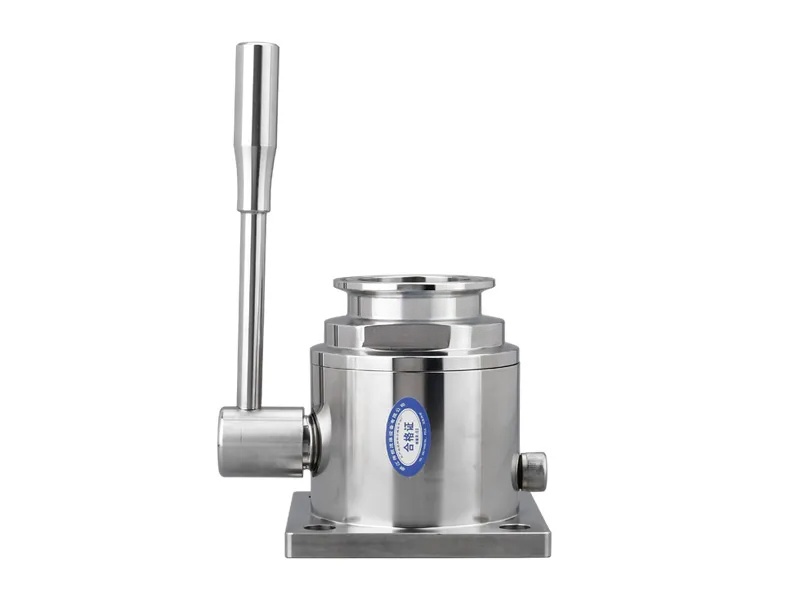
1. What Are Sanitary Fittings?
Sanitary fittings are specialized connectors used in processing lines where product purity is critical. They are typically manufactured from high-grade stainless steel—304 or 316L—and feature smooth internal surfaces, crevice-free designs, and high corrosion resistance.
Core characteristics:
Key distinction: Sanitary fittings are designed with cleanability as the primary objective. All internal surfaces must be smooth enough to prevent microbial adhesion and biofilm formation, and the geometry must allow complete drainage without fluid trapping.
2. Main Types of Sanitary Fittings
2.1 By Connection Type
Tri-Clamp (Tri-Clover) Fittings
The most common sanitary connection method—using a clamp, ferrule, and gasket to create a secure, leak-proof seal between two pipes or components.
Welded Fittings
Permanent connection with the highest hygienic integrity—no mechanical joints or gasket interfaces.
| Feature | Benefit |
|---|---|
| Zero leakage | Eliminates potential leak paths |
| Highest hygiene | No crevices for bacterial harborage |
| Permanent installation | Ideal for ultra-pure water systems, pharmaceutical API lines |
Threaded Fittings
Simple installation for small-diameter, low-pressure applications—but sealing is less reliable and they are less common in sanitary systems.
Flanged Fittings
High pressure rating, removable—used in large-diameter and high-pressure systems.
2.2 By Function
3. Material Selection
3.1 Stainless Steel Grades
Selection rule: 316L is the preferred material for sanitary applications. The "L" indicates low carbon (≤0.03%), which prevents intergranular corrosion during welding.
3.2 Surface Finish
Internal surface finish is a critical quality indicator.
| Grade | Ra Value | Applications |
|---|---|---|
| Standard sanitary | ≤ 0.8μm | General food, beverage, dairy |
| High sanitary | ≤ 0.5μm | Premium food, cosmetics |
| Aseptic | ≤ 0.4μm (electropolished) | Pharmaceutical, biotech, WFI systems |
Why it matters: Smooth surfaces prevent microbial adhesion and biofilm formation, ensuring effective CIP/SIP cleaning. In meat and poultry processing, polished internal surfaces are essential to minimize microbial harborage and simplify cleaning.
3.3 Gasket (Seal) Materials
Gaskets are critical for maintaining a secure and sanitary seal between flanges.
4. Key Certifications and Standards
Industry insight: In biopharmaceutical applications, ASME BPE is the most highly regarded standard, while for food and dairy, 3-A certification is essential.
5. How Sanitary Fittings Prevent Contamination
Sanitary fittings are engineered to eliminate contamination risks through multiple design features:
Smooth, crevice-free design: Eliminates spaces where residue or bacteria could accumulate
Material quality: High-grade stainless steel resists corrosion and maintains fluid purity
Secure sealing: Gaskets ensure a tight seal, preventing leaks or ingress of contaminants
CIP compatibility: Fittings can be integrated into Clean-In-Place systems, reducing manual cleaning downtime
Full drainage design: Eliminates dead legs where flow stagnates and contamination can occur
6. Selection Criteria
6.1 Four-Step Selection Process
6.2 Dimensional Sizing Guide (Tri-Clamp)
Ensure compatibility between fitting ID/OD and your process lines:
| Tri-Clamp Size | Inner Diameter (ID) | Outer Diameter (OD) |
|---|---|---|
| 1/2" | 0.37" | 0.984" |
| 3/4" | 0.62" | 0.984" |
| 1" | 0.87" | 1.984" |
| 1-1/2" | 1.37" | 1.984" |
| 2" | 1.87" | 2.516" |
| 3" | 2.87" | 3.579" |
Note: For smaller Tri-Clamp sizes (1/2" and 3/4"), the outer diameter is the same—only the inner diameter varies to provide different flow rates.
7. Installation and Maintenance Best Practices
7.1 Tri-Clamp Connection Installation
Ensure proper gasket alignment: Install and seat the gasket correctly between flanges before tightening
Tighten evenly: Hand-tighten only—overtightening can damage flanges and gaskets; undertightening can cause leaks or gaps
Regular inspection: Periodically check flanges, gaskets, and clamps for wear, corrosion, or damage
7.2 Welded Connection Installation
Inert gas shielding (argon) must be used during welding to prevent internal surface oxidation
Weld internal surfaces should be smooth, crevice-free, and flush with the pipe wall
Borescope inspection should be performed after welding to verify weld quality
7.3 CIP/SIP Compatibility
Sanitary fittings should support CIP and SIP processes. Smooth internal bores and crevice-free construction ensure effective cleaning and sterilisation without disassembly.
8. Industries That Rely on Sanitary Fittings
9. Summary and Action Checklist
Selecting sanitary fittings requires balancing material, finish, connection type, certifications, and cost.
Core action checklist:
Define process requirements: Media type, temperature, pressure, cleaning frequency
Confirm certifications: 3-A, FDA, EHEDG, ASME BPE as required
Choose material: 316L stainless steel for pharmaceutical/corrosive; 304 for general food
Specify surface finish: Ra ≤ 0.8μm standard; Ra ≤ 0.4μm for aseptic
Select connection type: Tri-Clamp for frequent cleaning; welded for permanent systems
Verify gasket compatibility: Based on media and temperature (EPDM, PTFE, silicone, FKM)
Request documentation: MTRs, test reports, certification documents, surface finish verification
Validate samples: Before bulk procurement, verify dimensions, finish, and sealing performance


